Rejuvenating Parikramas, Sustainable Livelihoods
A goshala-anchored circular economy that clears sacred routes, grows organic food from goshala waste, and employs local communities to maintain ethinity and soverignity of the social contexts at large.
The work is the proof
3 Sacred Routes
Goshala-Rooted Circular Economy
Rural Livelihood at Scale
Animal welfare anchors organic farming. Goshala waste becomes fertilizer; fertilizer sustains fields; fields feed families and pilgrims along every route.
Vrindavan, Govardhan, and Narmada parikramas—each mapped, each with active restoration zones and locally employed maintenance teams.
Every cleared kilometre is maintained by local residents in formal employment. Inclusive growth through entrepreneurship, not charity.
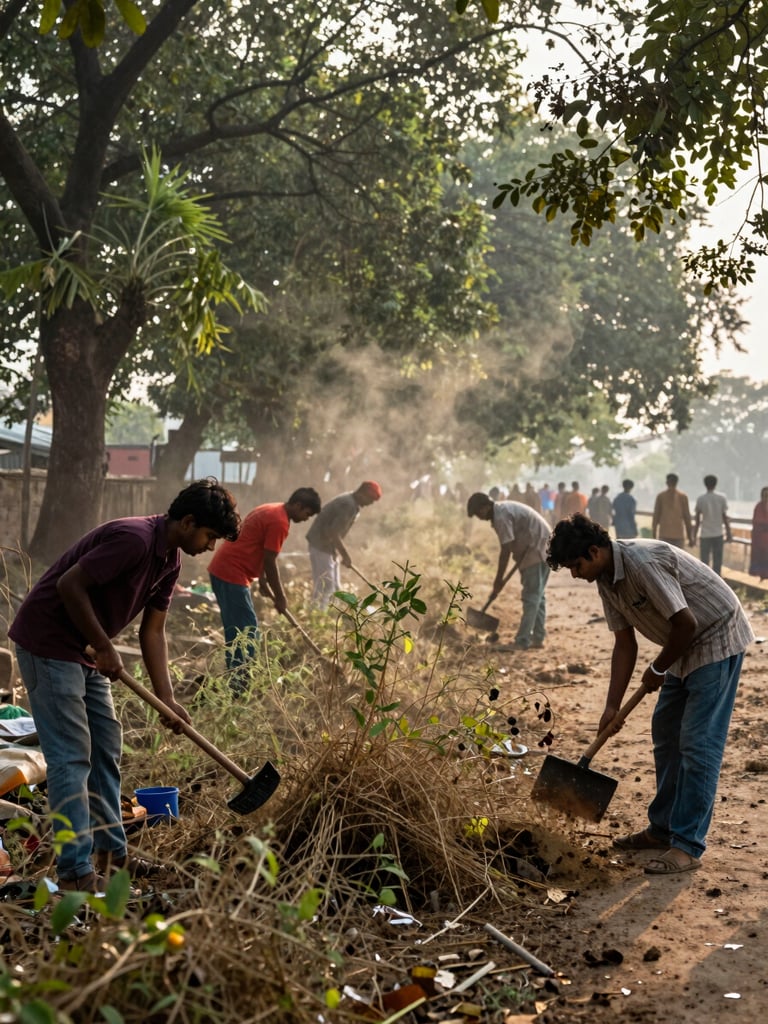
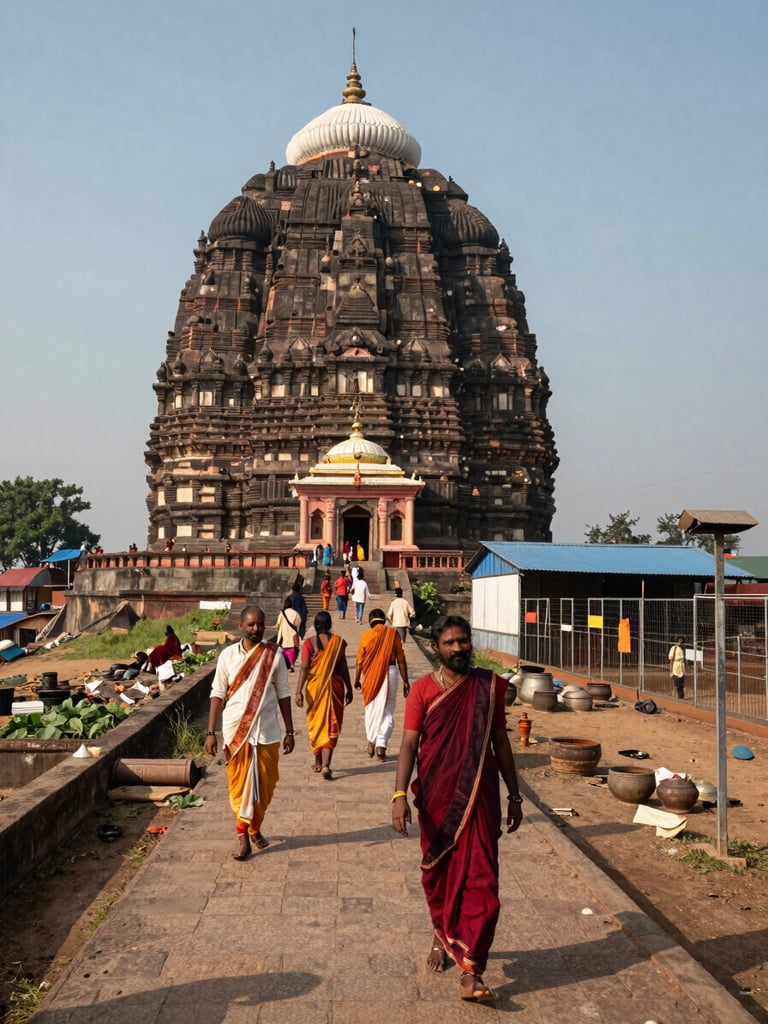

Choked routes, now cleared and maintained
The Vrindavan parikrama was mapped zone by zone. Encroachments cleared, pathways restored, and local residents hired to sustain each segment. The route serves pilgrims and generates parikrama-specific livelihoods simultaneously. It's so satisfactory while parikrama when routes are clear, clean and properly maintained
Sacred hill corridor, goshala-anchored
The Govardhan corridor faces ecological pressure from unmanaged pilgrimage traffic. Our goshala model is native here—animal welfare, organic land management, and route stewardship operating as a single programme.
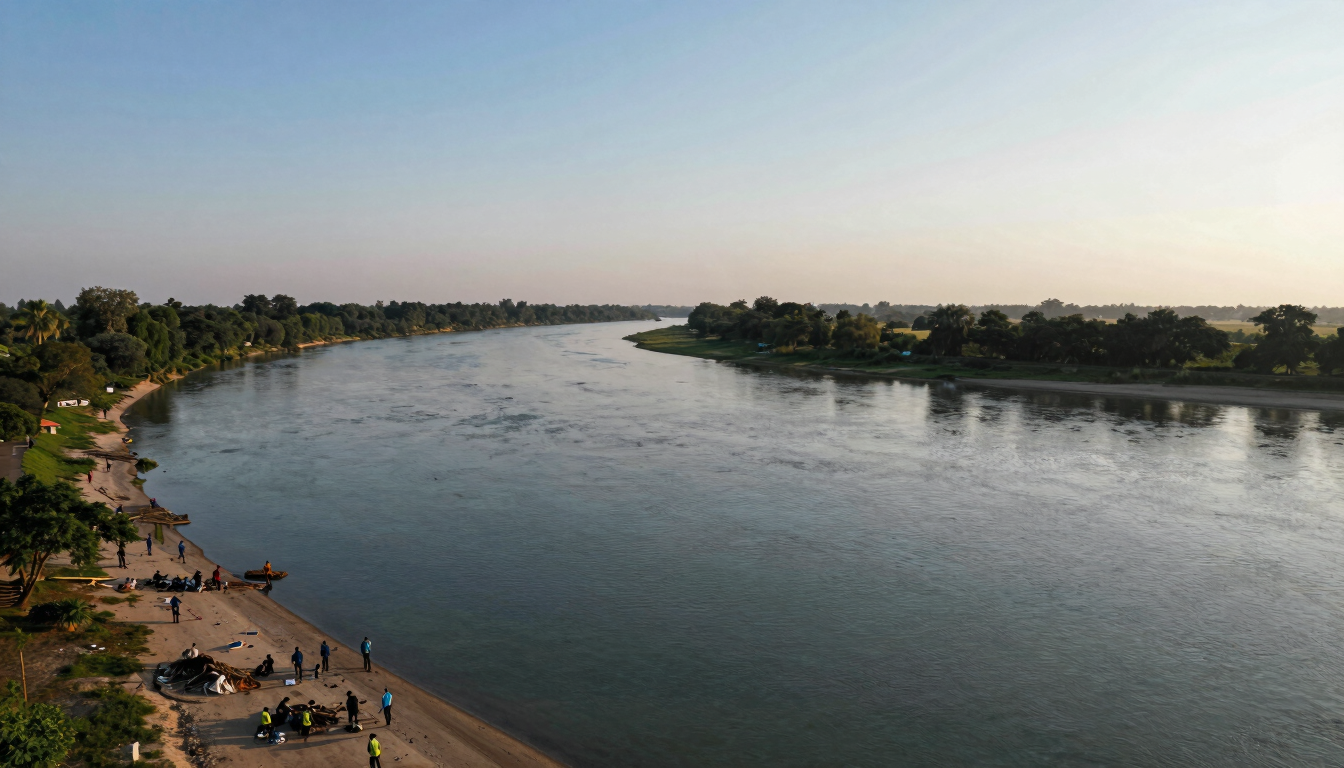
River cleaning across states, route by route
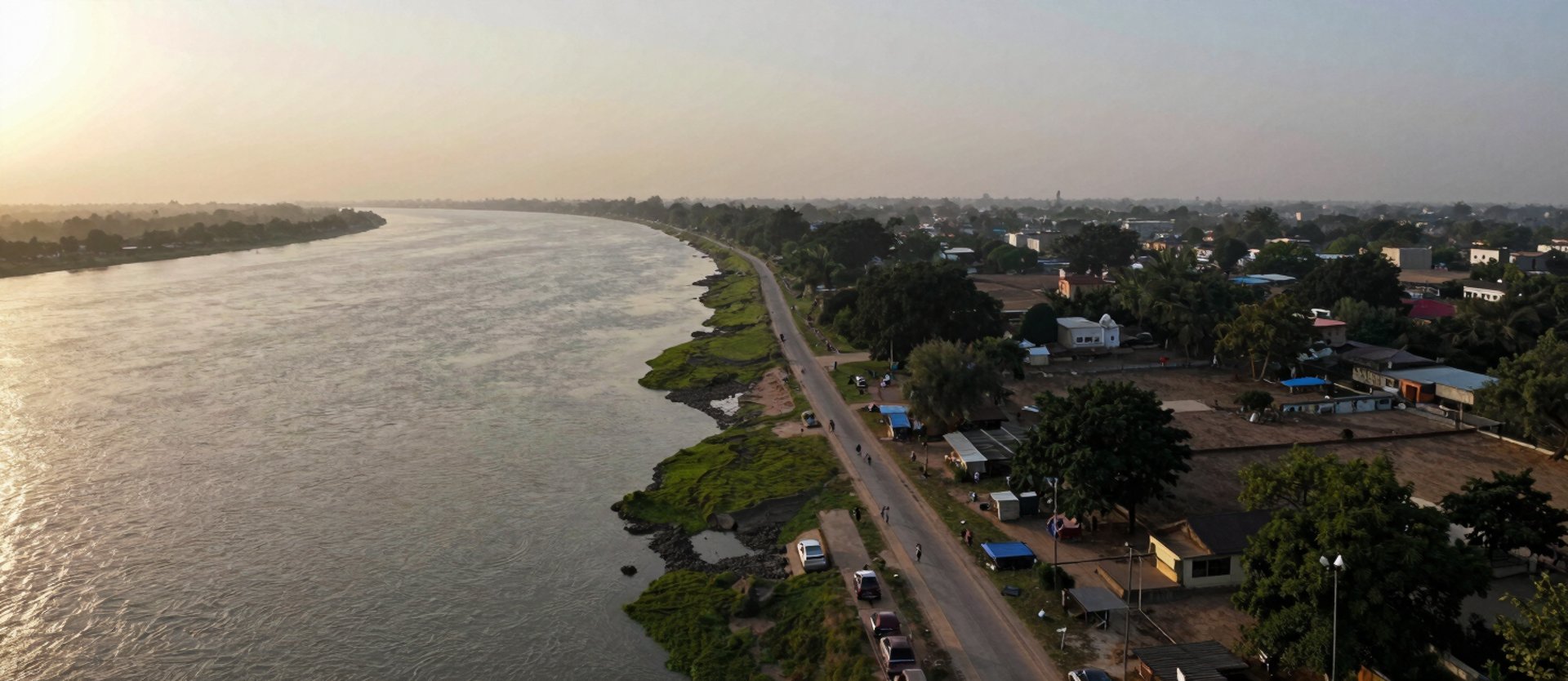
Narmada's parikrama spans multiple states. Our river cleaning missions coordinate cross-state teams, document debris removal by kilometre, and pursue carbon mitigation measures alongside each restoration phase.
Stewardship of sacred geography is a shared responsibility
Dr. Shubham Vishnudev Joshi and Mrs. Radhika Joshi lead pan-India operations open to institutional collaboration, CSR partnerships, and government engagement. Every route cleared is documented. Every livelihood created is traceable.